Guide 25 pages
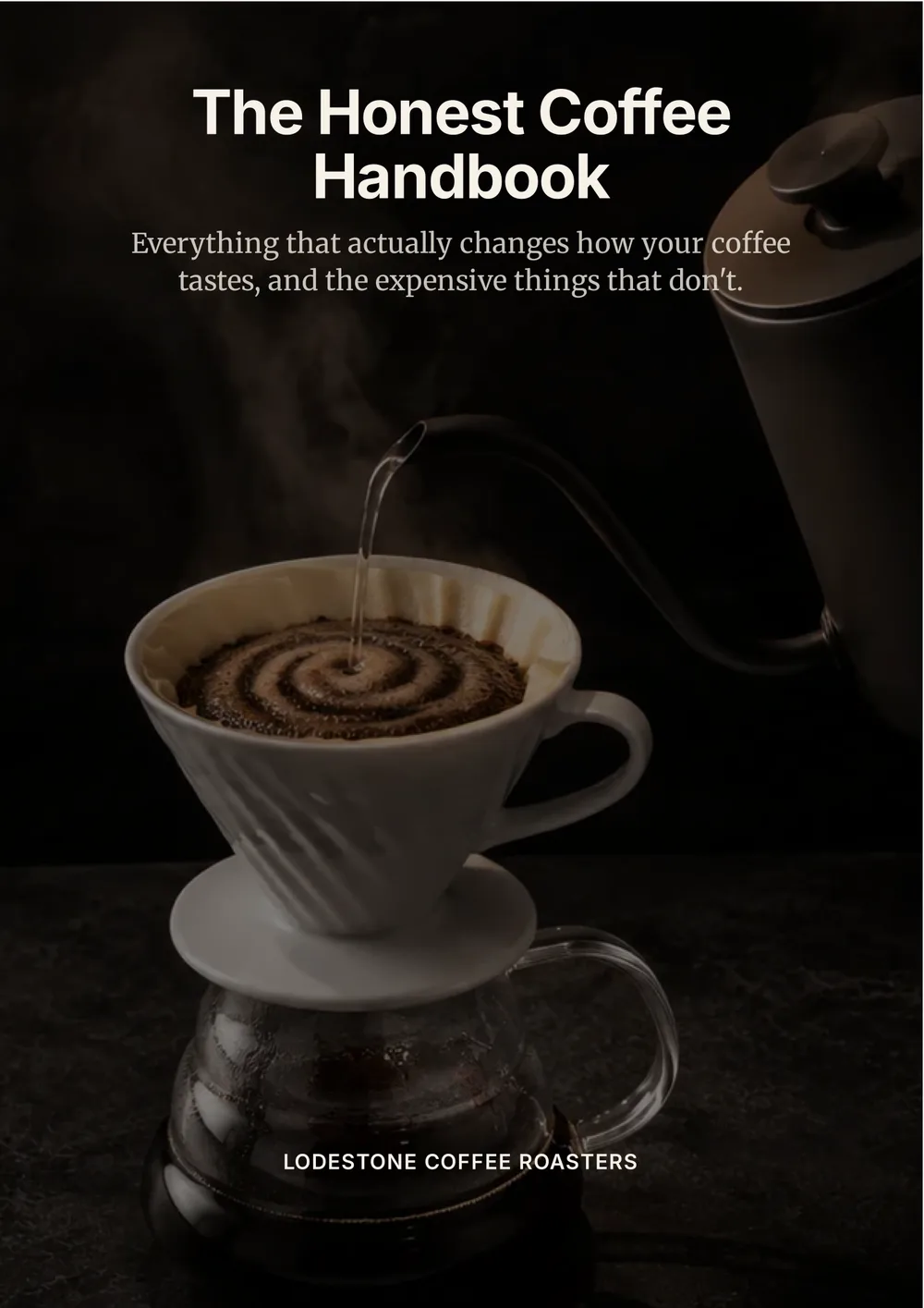
The Honest Coffee Handbook
Why your coffee tastes sour or bitter, what actually fixes it, and the expensive gear that changes nothing.
Read →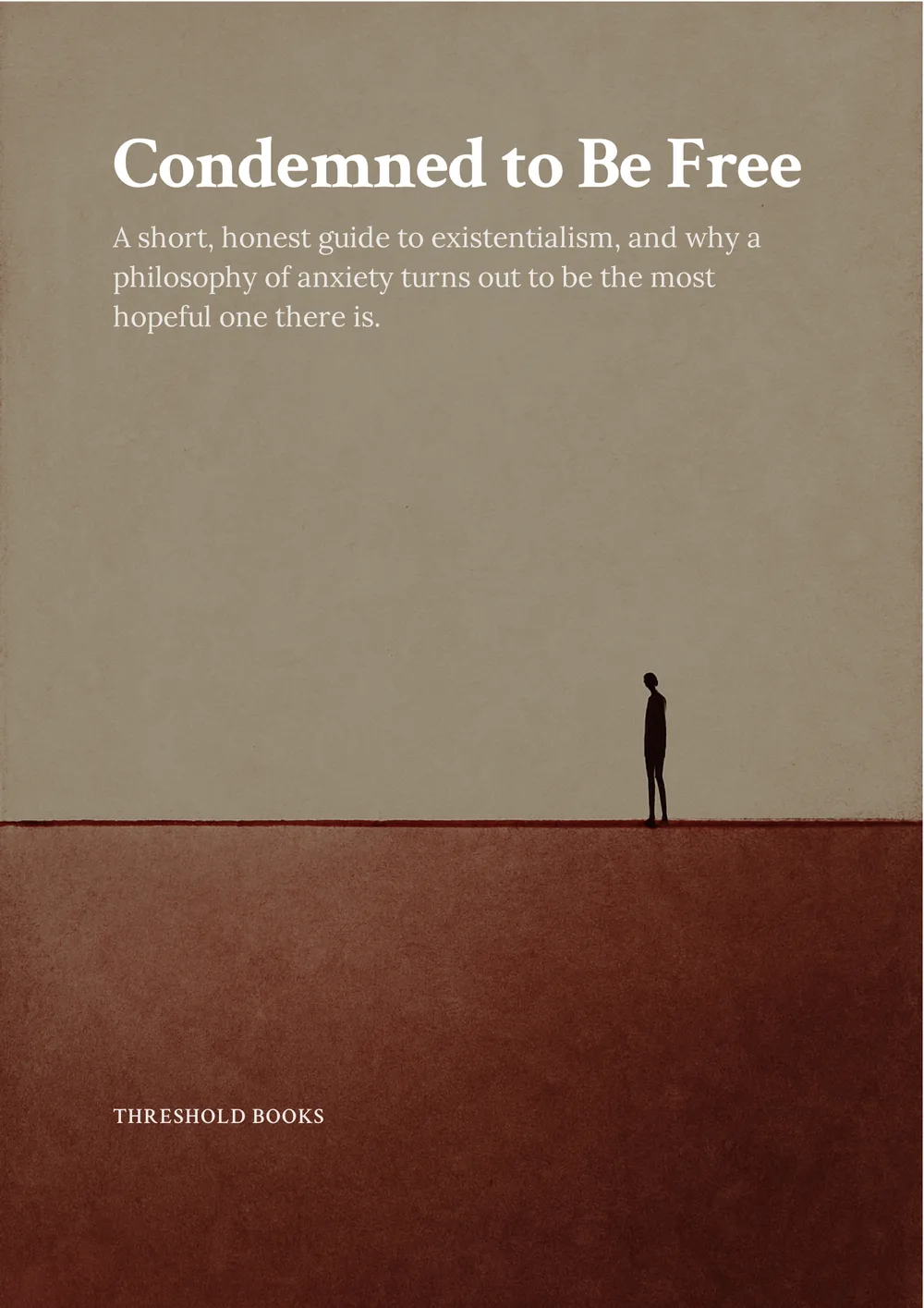
A short, honest introduction to existentialism, and why a philosophy of anxiety turns out to be the hopeful one.
Reads in your browser, no download, no email. Made with Unplain.
The Philosophy That Starts Where You Already Are
Why existentialism begins with your Tuesday rather than with abstractions, and who actually belongs to this quarrelling family.
Existence Precedes Essence
The paper knife, and the claim that you are the sum of your acts rather than a fixed nature that occasionally leaks out.
The Dizziness of Freedom
Kierkegaard on the cliff edge: fear has an object, anxiety does not, and sometimes anxiety is simply accurate.
Bad Faith, or the Thousand Ways We Flee
Sartre's waiter, and the self-deception that lets us pretend our situation chose for us.
The Absurd, and Why Camus Says Keep Going
The collision between our demand for meaning and the world's silence, and revolt as the honest response.
Other People
The Look, what "hell is other people" actually meant, and de Beauvoir turning freedom into an ethics.
How to Actually Live This
Four instructions, simple to state and hard to do, plus why this is not nihilism.
Most philosophy asks you to travel a long way inward before any of it touches your actual week. Existentialism does the opposite: it starts inside a single human life that you did not ask for, that will end, and that you are somehow responsible for anyway.
This primer, published by Threshold Books, is a 32-page tour of that tradition: short enough to finish in a sitting, honest enough to admit that the existentialists spent most of their time disagreeing with each other.
Sartre’s formula is existence precedes essence. A paper knife has an essence before it exists: someone conceived of its purpose, then made a thing to fit. Human beings arrive the other way round. You exist first, and what you are gets decided afterwards, by what you do.
The consequence is uncomfortable. There is no brave self locked in a basement waiting for better circumstances. There is a person who acts like a coward, which makes him one, until the day he acts otherwise. What you are is not a possession you carry around: it’s a verb you’re conjugating right now.
Frightening, because the alibis are gone. Freeing, because nothing is settled.
Kierkegaard, writing decades before Sartre, described what this freedom feels like from the inside, and it isn’t exhilaration. It’s dread.
He separates fear from anxiety, and the distinction is one you’ll reach for again and again once it clicks. Fear has an object: the dog, the deadline, the diagnosis. It points at a thing that can in principle be escaped. Anxiety has no object. It’s what rises when you become aware of your own freedom, of the open possibility of your life, with nothing telling you which way to go.
Stand at a cliff edge and you feel two things: the fear of falling, and something stranger: the dizzying awareness that nothing physically prevents you from jumping. Nothing but your own choice. That vertigo is anxiety.
Which leads to the book’s most useful reframe: your anxiety before a real decision is not evidence that you are broken. Sometimes it’s simply accurate. It’s the correct response to a true fact about your situation: that your life is genuinely undetermined and genuinely yours.
Naturally, we spend enormous energy trying not to feel any of this. Sartre named the escape route: bad faith, the lie we tell ourselves to avoid the anxiety of our own freedom. We pretend our situation, our role, our nature or our past has decided things for us, so we can be relieved of choosing.
His example is a café waiter whose movements are a little too precise, a little too eager: a free human being performing “being a waiter” as if he could become a thing with a fixed nature. In trying to escape his freedom, he displays it.
The everyday versions are the ones worth catching: I had no choice. That’s just who I am. Later, once things settle.
Camus supplies the hardest question (what if none of it means anything?) and refuses to look away from it. The absurd, for him, isn’t a property of the world or a flaw in us; it’s the collision between our craving for meaning and the universe’s flat refusal to supply any. His answer isn’t despair but revolt: living fully and lucidly anyway, holding both truths at once.
And the tradition’s final move is the one that surprises people. Existentialism is not nihilism. Nihilism says nothing matters, so do as you please. Existentialism says nothing matters in advance, and therefore everything you do matters intensely, because you, not a cosmic script, supply whatever meaning your life will have.
Every philosophy that hands you a ready-made meaning also takes something from you. This one says the frightening thing first: no one is coming. Then the hopeful thing, which only sounds hopeful once you’ve accepted the first, because the meaning isn’t fixed, it’s still open. You get to write it.
This is a real publisher’s lead magnet, and it’s in this library because it shows what a finished Unplain PDF looks like on a subject that has nothing to do with marketing. The manuscript was written as a plain document; the cover, the contents page, the pull quotes, the comparison tables, the pagination and the closing call-to-action page were produced automatically. Whatever you know that your readers don’t, it works the same way.
Published July 23, 2026
Why your coffee tastes sour or bitter, what actually fixes it, and the expensive gear that changes nothing.
Read →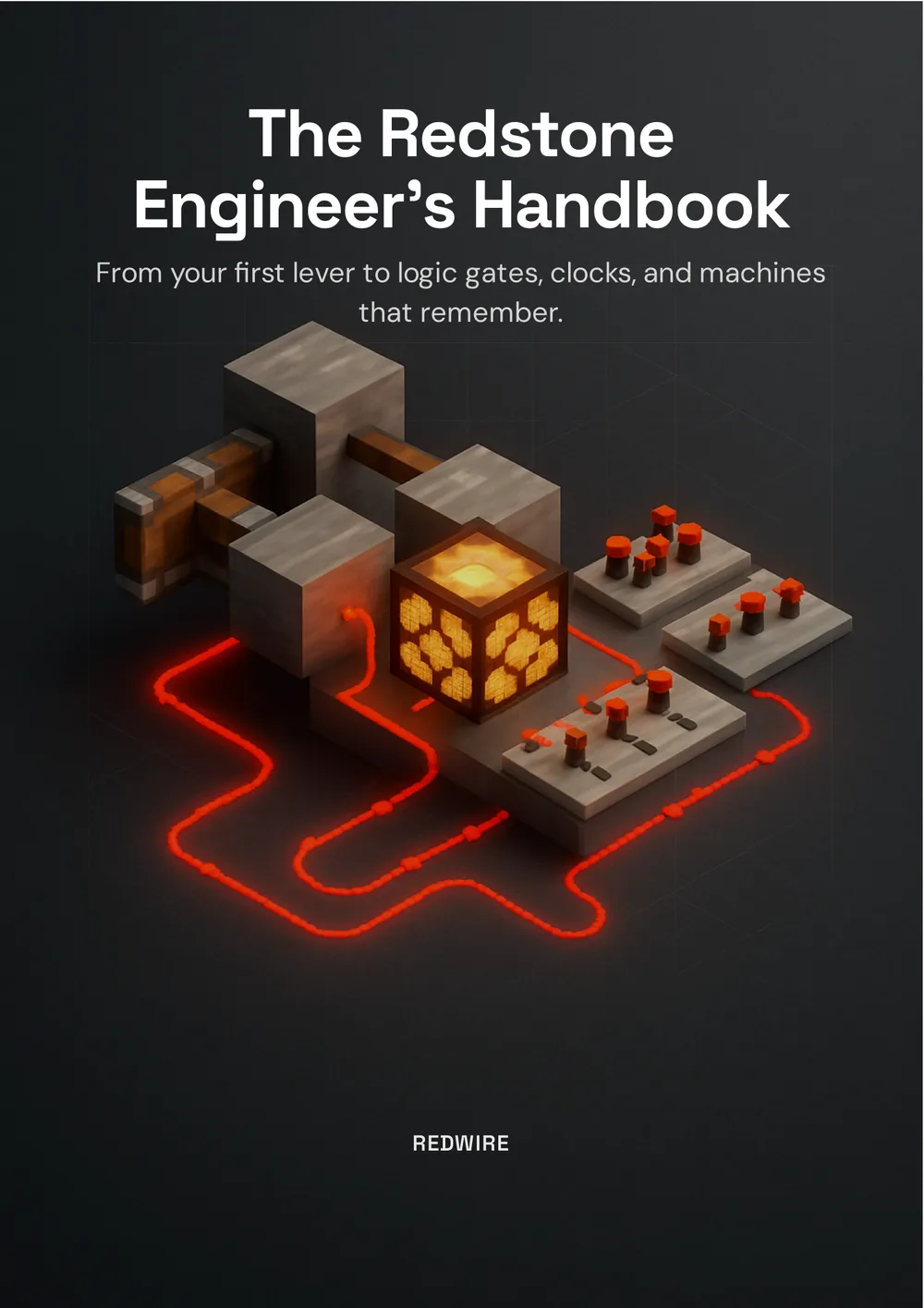
From your first lever to logic gates, clocks and machines that remember: redstone as engineering, not magic.
Read →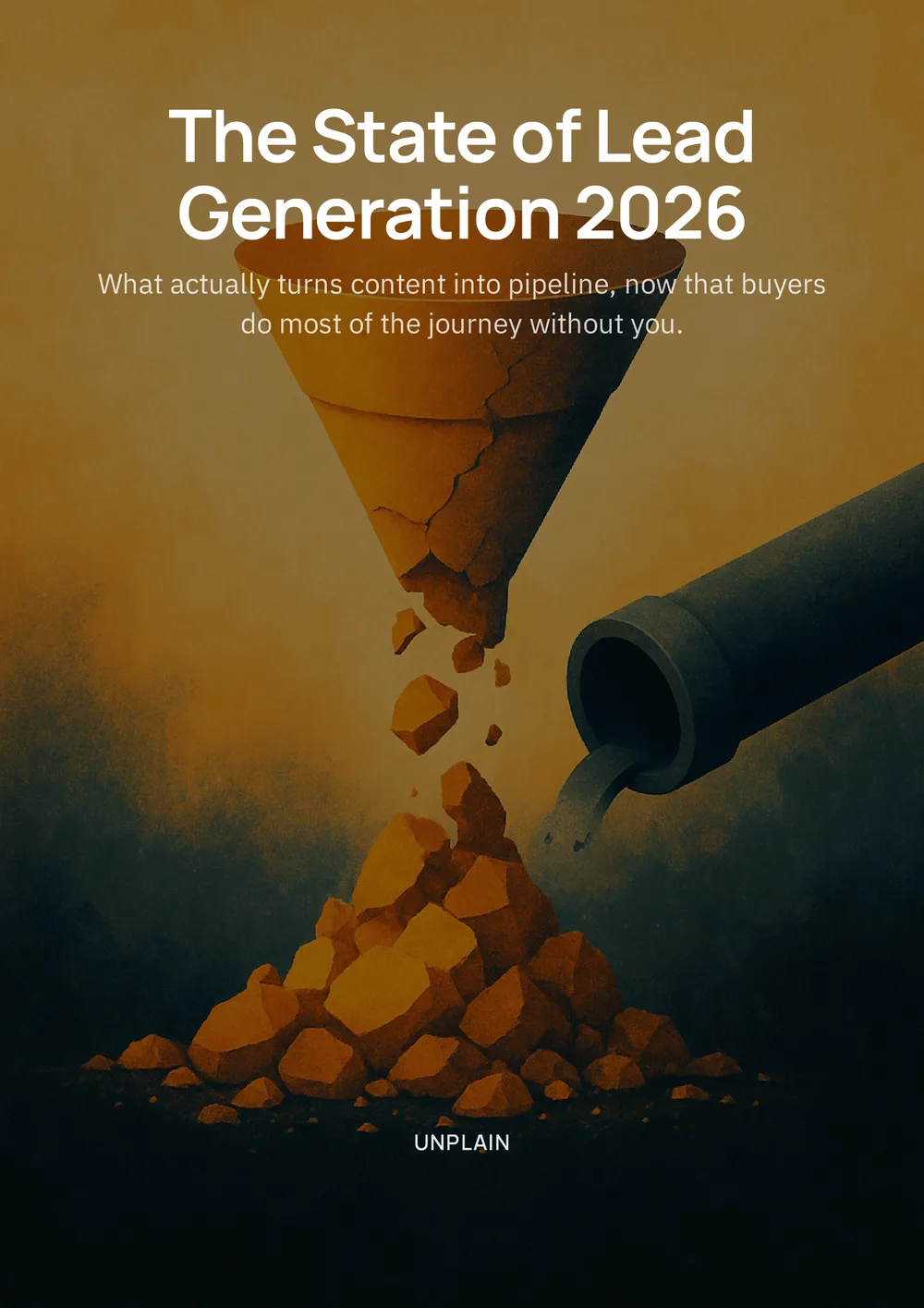
What actually turns content into pipeline now that buyers do 80% of the journey before they ever talk to you.
Read →The manuscript was written as plain text. Unplain added the cover, the table of contents, the page numbering, the brand colours and the closing call-to-action page, and returned a publish-ready PDF: no editor, no page-by-page layout. Your document works the same way.
No signup needed. Short ebooks are on us, forever.